
Doctor of Law and Policy — Boston
The Doctor of Law and Policy program is designed for experienced professionals seeking to effect change through a deeper understanding of the origins, development, implementation and analysis of legal and public policy decisions in government and related institutions.
Our Charlotte campus is now accepting applications for the spring 2024 term.
Take a Quick Look
We’re committed to creating an education as unique as your career path. So, whether your goal is a new career or moving up in your field, our innovative programs will get you going your way.
01
Customize your plan
We work with you to map your path to your goal.
02
Learn from experience
From real-world case studies to employer-based projects, we prepare you to manage what comes next.
03
Choose your focus
Whatever you’re passionate about, you’ll find the classes to sharpen your specialty.
04
Study anywhere, on your time
Part-time or full-time, we move at your speed, to get you where you’re going.
Overview
In an increasingly complex and globally connected environment, the Doctor of Law and Policy program empowers leaders in the government, for-profit, and nonprofit sectors to establish expertise, advance their careers, and drive lasting change. In a flexible learning format, you’ll examine the intersection of three key themes—law, research, and policy—honing your professional and analytical skills as you learn to tackle practical problems with a multidisciplinary approach.
You’ll study the impact of political, economic, and social trends, crafting recommendations, strategies, and arguments to influence global and domestic law and policy. In the Executive Program, you’ll attend weekend residencies twice a quarter in Boston, affording you the opportunity to complete your coursework and doctoral thesis in 24 months. And with the guidance of our expert faculty, you’ll design and execute a personalized plan of inquiry to study and address the public policy issues you care about most.
This program is based in Boston, MA. Our Charlotte campus is now accepting applications for the spring 2024 term.
More Details
Unique Features
- Our executive program is designed for working professionals with 10 years of experience and can be completed in two years
- Hybrid format with classes meeting twice a quarter on ground, and online learning throughout the rest of the year
- Cohort learning model allows students to cultivate a network of friends and colleagues from a myriad of industries, ages, and experiences
- Residencies twice a quarter offer students the advantages of interactive learning without the restrictions of a traditional doctoral program
- In addition to the residencies in Boston, students participate in one three-day residency in Washington, D.C. and one international four-day residency. Students participate in a mixture of sessions that include guest lecturers from various elected officials and public policy advocates, as well as excursions to places that play key roles in policy-making
- Past guest speakers have included Supreme Court Justices Sonia Sotomayor, Samuel Alito, and Clarence Thomas; congressional journalists from CNN, NPR, Buzzfeed, and Politico; Marty Baron, executive editor of the Washington Post; Representative Joseph Kennedy III; Lonnie Bunch, director of the National Museum of African American History and Culture; Mason Dunn, executive director of the Massachusetts Transgender Political Coalition; and Dr. Victor Dzau, president of the National Academy of Medicine
- Learn from faculty with decades of experience as international consultants, higher education consulting experts, legal experts, and experts in development policy
Program Objectives
- Develop new leadership and strategic-thinking skills
- Utilize law as a way to be a better policy maker and change agent
- Interpret research and use it to further policy-related goals
- Be able to negotiate with stakeholders in courts, legislatures, and agencies in the corporate and nonprofit environments
Graduates Share Their Story
View the video below to hear Doctor of Law and Policy graduates share why they chose the program, what they learned, and their area of focus.
What Program Format is Right for Me?
| Executive DLP | DLP | |
| Location | Boston | Seattle and Charlotte |
| Length of program | 2 years; 69 credits | 3-6 years; 69 credits |
| Modality | Accelerated, cohort, hybrid model | Adjustable course load, hybrid model |
| Classes per quarter | 3 courses | 1-2 courses |
| In-person intensive weekends | Meets twice a quarter | Meets quarterly |
| Professional experience required | 10 years | 3 years (education accepted in lieu of professional experience) |
| Cost | $102.3K | $70.2K |
| Financial aid | Available | Available |
| Other differentiating factors | Includes registration, textbook purchase, and distribution. Intensive weekend in Washington, D.C. Intensive weekend abroad. |
N/A |
Check Out Your Career Prospects
Beginning your journey with us is a big decision. But it's a smart one. Your field is evolving rapidly. That's why we're constantly innovating our programs to anticipate your industry's needs. So, no matter where your field goes, you can lead the way.
reported increased earnings of those with doctoral degrees vs. master's degrees and 43% more than those with just bachelor's degrees.
is the expected lifetime earnings for someone with a doctoral degree.
Forbes, 2021
Get Set With a Course Plan
Please note: Enrolled students should reference the academic catalog for current program requirements.
Follow Our Leaders
Our faculty represents a wide cross-section of professional practices and fields. They serve as mentors and advisors and collaborate alongside students to solve the most pressing global challenges facing established and emerging markets.
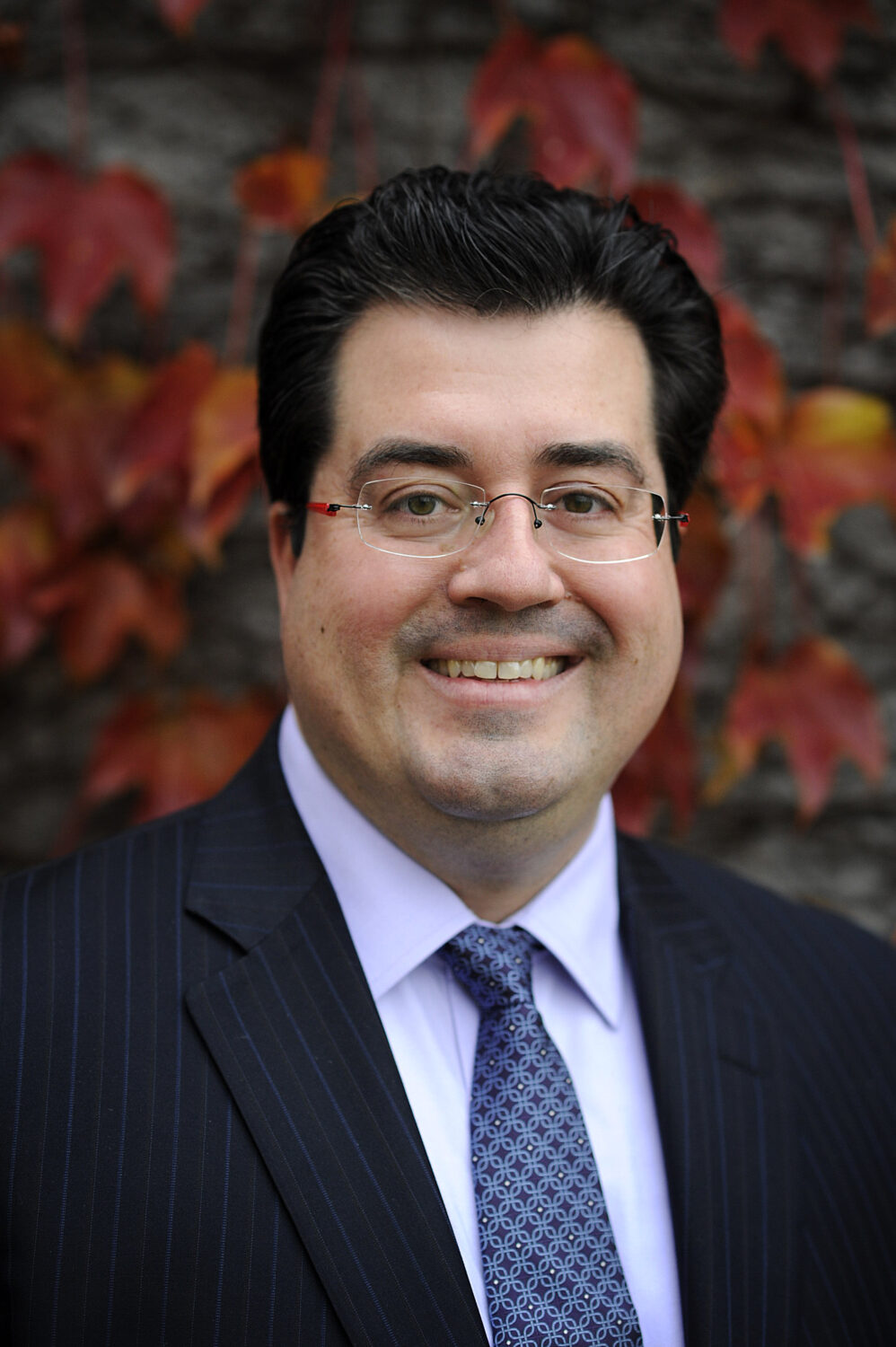
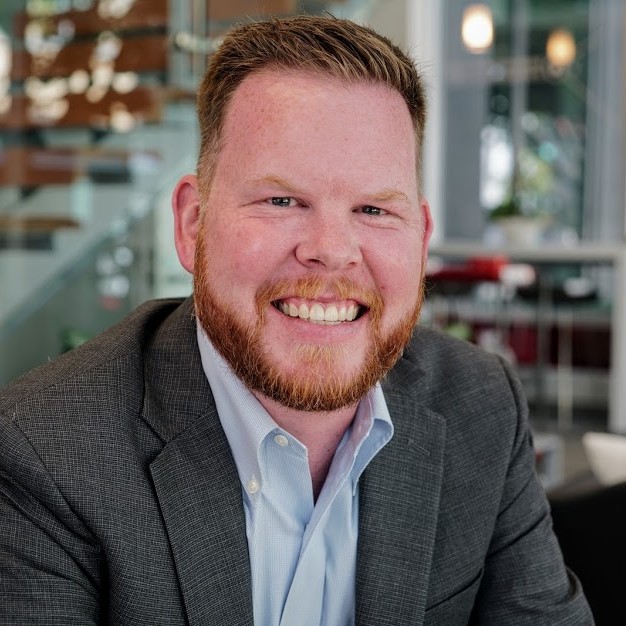




I gravitated to Northeastern right away because it was the only program that offered the duality of law and policy – where it wasn’t just law and wasn’t just policy. I felt that duality would present more than one option for me to further my career.
Cherron Payne Doctor of Law and Policy, 2020
Now Let's Talk Admissions
You know where you are headed and you've seen how our program will lead you there. So let's get going. Here's what you need to know before you enroll.
Application Requirements
- Online application
- Academic transcripts: Unofficial undergraduate transcripts; official transcripts required at the time of admission
- Professional resumé: Current resumé that displays job responsibilities, relevant experience, and education history
- Academic recommendation: This letter should come from a former professor or mentor who can speak to your ability to succeed in an academic environment. The recommender should address your capacity to conduct research and write at the doctoral level. If you have been out of school for a long time or are no longer acquainted with your professors, you may ask someone who has evaluated you during a professional training seminar or workshop to compose this recommendation.
- Two Professional Recommendations: One must be from your current supervisor; recommendations should not come from individuals who report to you. Recommenders are encouraged to identify specific examples that highlight your skills and abilities.
- Admission Statement: Respond to both questions separately and stay within the prescribed word limits. The ability to demonstrate clear, succinct, well-reasoned writing is essential.
- Discuss your career trajectory and your professional goals. How will earning this degree help you achieve those goals? (500 words)
- Identify an important problem or issue related to your profession. Why do you want to explore and understand this problem or issue? Be sure to articulate how this problem or issue relates to law and policy. (500 words)
- Interview: Applicants may be requested to participate in an interview as part of the admissions process. If this is determined, we will reach out to you directly.
- Proof of English language proficiency: ONLY for students for whom English is not their primary language: English language proficiency guidelines
- DLP Transfer Credit – Due to the cohort model of the Doctor of Law and Policy program, transfer credits from other institutions are not accepted.
International Requirements
Are You an International Student? Find out what additional documents are required to apply.
Admissions Details Learn more about the College of Professional Studies admissions process, policies, and required materials.
Financing Requirements
Finance Your Education We offer a variety of resources, including scholarships and assistantships.
How to Apply Learn more about the application process and requirements.
Cost and Tuition
Estimated Total Tuition
This is an estimate based on the tuition rates for Academic Year 2024-2025 and does not include any fees or other expenses. Some courses and labs have tuition rates that may increase or decrease total tuition. Tuition and fees are subject to revision by the president and Board of Trustees at any time. Select programs at select campuses offer additional scholarships of up to 25% off the listed price for domestic students studying on campus. For more detailed information, please visit Student Financial Services.
For students interested in pursuing financial assistance or educational loans, additional educational costs, known as Cost of Attendance (COA) components, can be included in the calculation of aid and loan eligibility. Components may include food, housing, books, course materials, supplies, equipment, transportation, personal expenses, and the cost of obtaining a first professional licensure. You can find comprehensive details on the Student Financial Services website. Please keep in mind that COA can vary significantly depending on academic program, enrollment intensity, and individual circumstances.
Application Deadlines
Our admissions process operates on a rolling basis; however, we do recommend the application guidelines below to ensure you can begin during your desired start term:
Domestic Application Guidelines
International Application Guidelines*
*International deadlines are only applicable if the program is F1 compliant.
Student Body Profile
Below is a look at where our Law & Criminology alumni work, the positions they hold, and the skills they bring to their organization.
-
Where They Work
- City of Boston
- IBM
- Deloitte
- State Board of Education
- U.S. Army
- FDA
-
What They Do
- Legal
- Business Development
- Education
- Entrepreneurship
- Community and Social Services
-
What They're Skilled At
- Policy Analysis
- Legal Writing
- Research
- Public Speaking
- Legal Analysis
Learn more about Northeastern Alumni on Linkedin.